


6 Ways to Speed Up Your Orthodontic Treatment in 2026


Getting braces or clear aligners used to be a long process, often taking three years or more. Thanks to new technology and better techniques, many patients can now finish treatment faster and with better results.
At The Art of Braces in Las Vegas, I use the latest advances in orthodontics to help my patients achieve their best smile efficiently. Let's explore the current tools and treatments available—starting with the least invasive and moving to the most aggressive.
Treatment Acceleration Options at a Glance
| Method | Effectiveness | Invasiveness | Cost to Patient |
|---|---|---|---|
| Digital Treatment Planning | High (accuracy), Moderate (speed) | None | Usually included |
| Excellent Oral Hygiene | High (indirect) | None | Low |
| Red Light Therapy | Low to Moderate | None | $300–$800 |
| Vibration Devices | Low (speed), Moderate (comfort) | None | $300–$1,000 |
| Piezocision | Moderate to High (short-term) | Mild to Moderate | $1,000–$3,000 |
| SFOT/Wilckodontics | High (case-dependent) | High | $3,000–$8,000+ |
1. Smarter Treatment Planning with Custom Digital Tools
Today's orthodontists can plan your treatment with amazing accuracy using digital systems like DIBS AI and Lightforce. Traditionally, orthodontists would directly position braces onto teeth in a patient's mouth, which could be challenging due to the presence of the lips, cheeks, tongue, and saliva.
Now, orthodontists can use software to digitally place all the brackets on the teeth based on a customized treatment outcome. Without all of the soft tissues and general oral structures in the way, we can rotate the teeth in all 3 planes of space to ensure the most accurate bracket placement. Additionally, these intraoral scans can be overlayed with a patient's CBCT and even extraoral facial scan data to visualize the roots, bone, and surrounding facial structures.
What this means for your treatment:
- Fewer adjustments during treatment
- Fewer bracket repositioning appointments
- Less chair time at the orthodontist's office
- A more predictable finish date
2. Keeping Your Teeth and Gums Healthy for Faster Movement
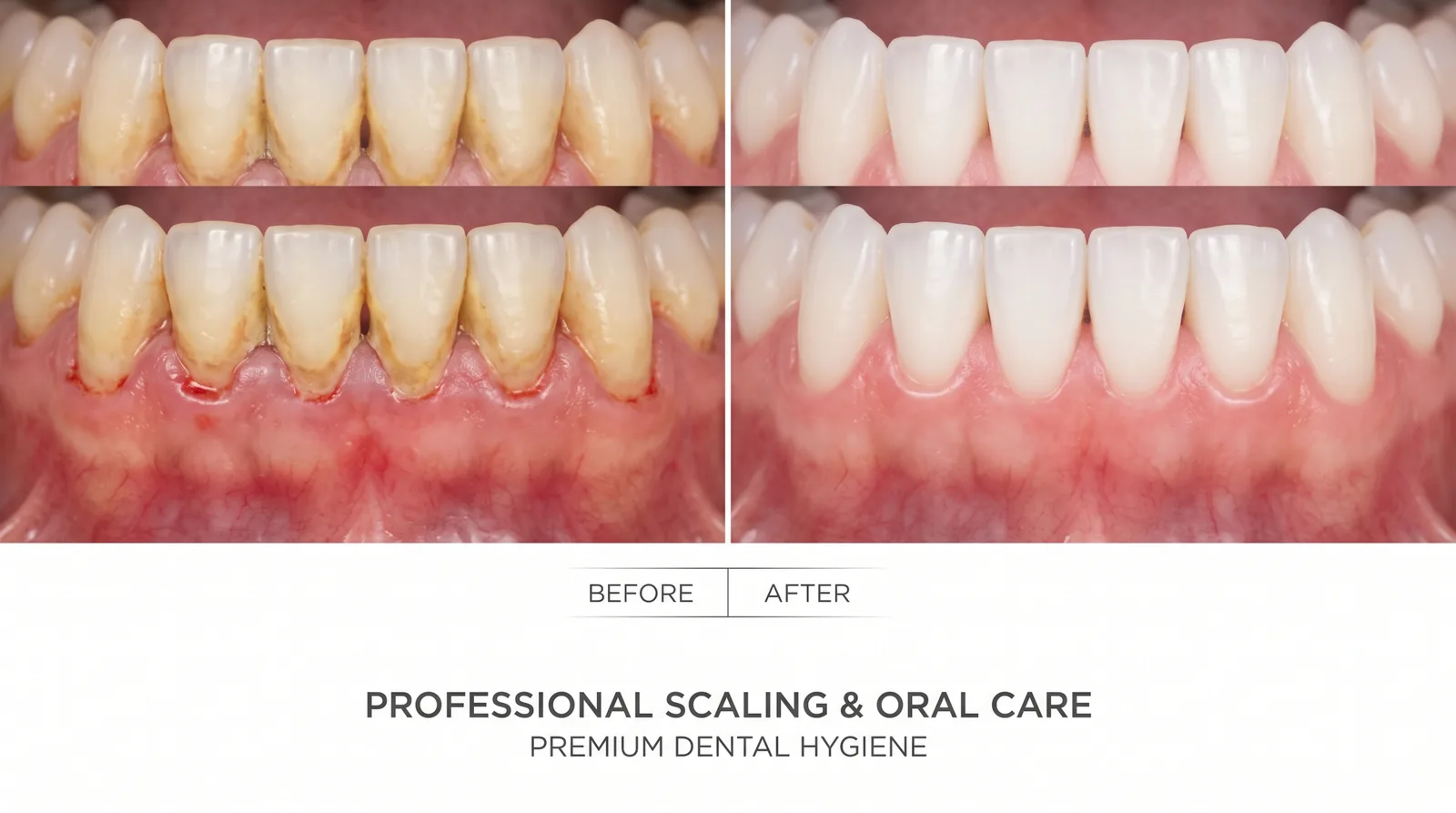
Believe it or not, your oral hygiene has a tremendous effect on how quickly your teeth move. When gums are healthy, orthodontic treatment works more efficiently. But if there's inflammation (caused by plaque, bacteria, or gum disease), tooth movement slows down.
Tips to keep treatment moving quickly:
- Brush after every meal
- Floss daily (yes, even with braces!)
- Use a Waterpik daily
- Use an antibacterial mouth rinse if recommended by your orthodontist
3. Red Light Therapy (Photobiomodulation)
A newer, non-invasive option is red light therapy, sometimes called photobiomodulation. Patients use a small handheld device that shines safe, low-level red and near-infrared light onto the gums and teeth for just a few minutes a day.
How it works:
- Increases blood flow in the gums
- Reduces inflammation and pain associated with orthodontic tooth movement
- Stimulates the cells that help teeth move
4. Vibration Devices (e.g., AcceleDent, VPro)
These are small, hands-free mouthpieces that deliver gentle vibrations to the teeth for a few minutes a day. The vibrations may stimulate the bone and tissues, helping teeth move.
5. Interradicular Piezocorticotomy (Piezocision)
This is a minimally invasive surgical technique designed to speed up orthodontic tooth movement. Small incisions are made between the roots of the teeth using a piezoelectric surgical tool.
Benefits include:
- Less discomfort and shorter healing time than traditional corticotomy
- Stimulates the bone's natural healing response, allowing teeth to move more quickly
- Often done chairside in a single appointment
6. SFOT, PAOO, and Wilckodontics
For patients who want the fastest possible results—and are open to more invasive options—there's Surgically Facilitated Orthodontic Treatment (SFOT), also known as PAOO or Wilckodontics.
In these procedures:
- A periodontist or oral surgeon makes small cuts in the bone around the roots of the teeth
- This increases bone turnover, making it easier and faster for teeth to move
- Braces or aligners are then used to guide the teeth into place
Finding the Right Approach for Your Smile
Every smile is unique, and so is every treatment plan. While modern tools and techniques can help speed up orthodontic care, the best option for you depends on your goals, oral health, and comfort level.
At The Art of Braces, I take the time to discuss these options with each patient so we can create a personalized plan that balances speed, safety, cost, and results. Schedule a consultation today to learn which approaches might work best for your situation.
Frequently Asked Questions
Ready to Start Your Smile Journey?
Schedule a free consultation with Dr. Benson today!