




The Complete Waterpik Guide: How to Use One Correctly, Which Model to Buy, and How It Compares to Flossing

What Is Plaque and How Does It Form?
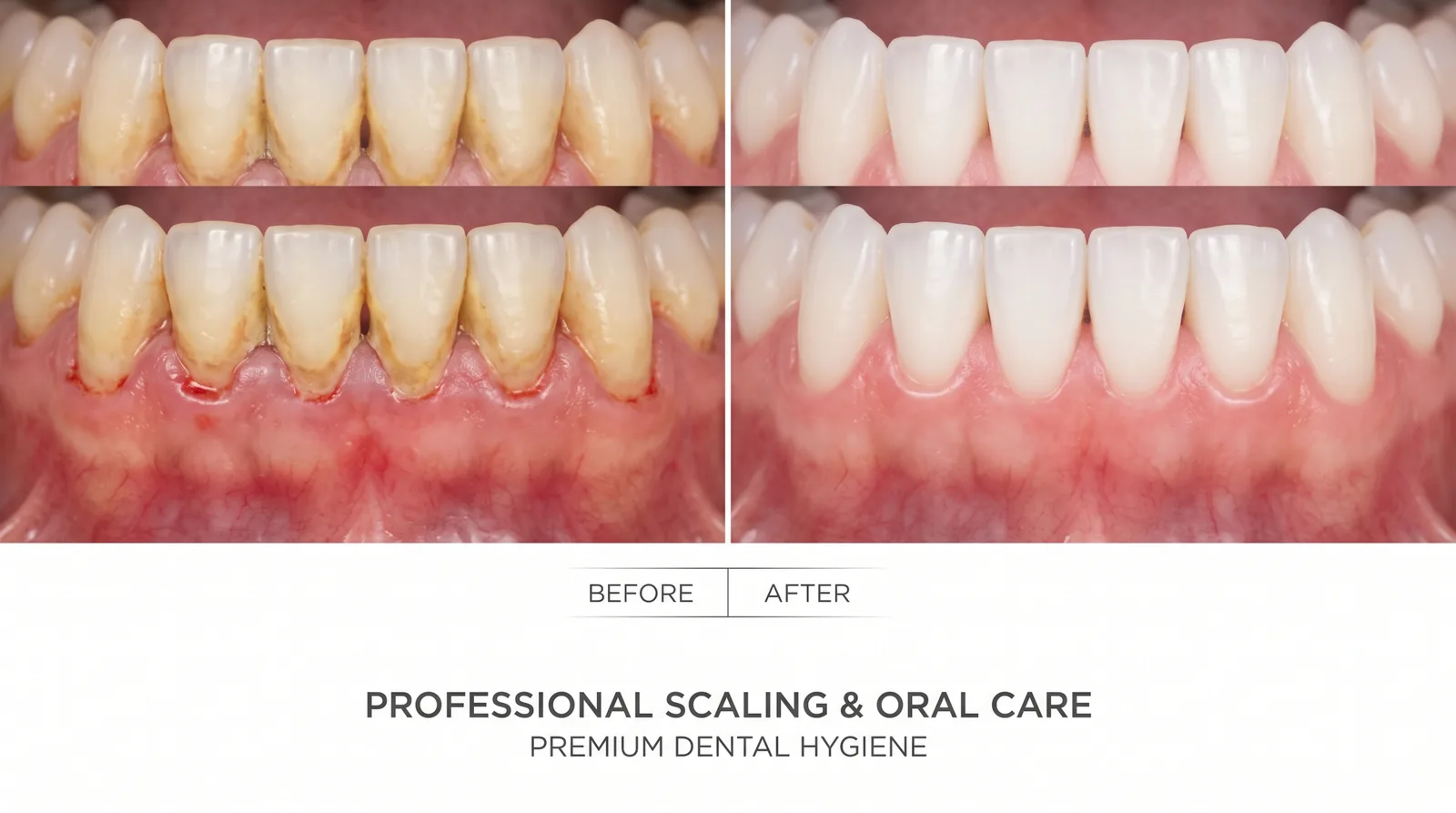
Dental plaque, also known as microbial plaque or dental biofilm, is the snowy white stuff that can be easily scraped off of teeth after consuming food or sugary beverages. When we eat foods containing carbohydrates, simple sugars and starches, they combine with saliva to form the plaque.
Spotting the Early Signs of Plaque
Look for a pale yellow, fuzzy substance and a dull appearance to your teeth. Perfectly clean teeth will always have a very shiny appearance. So even if you cannot see the plaque per se, if the teeth are dull, there is a small coat of plaque on them.
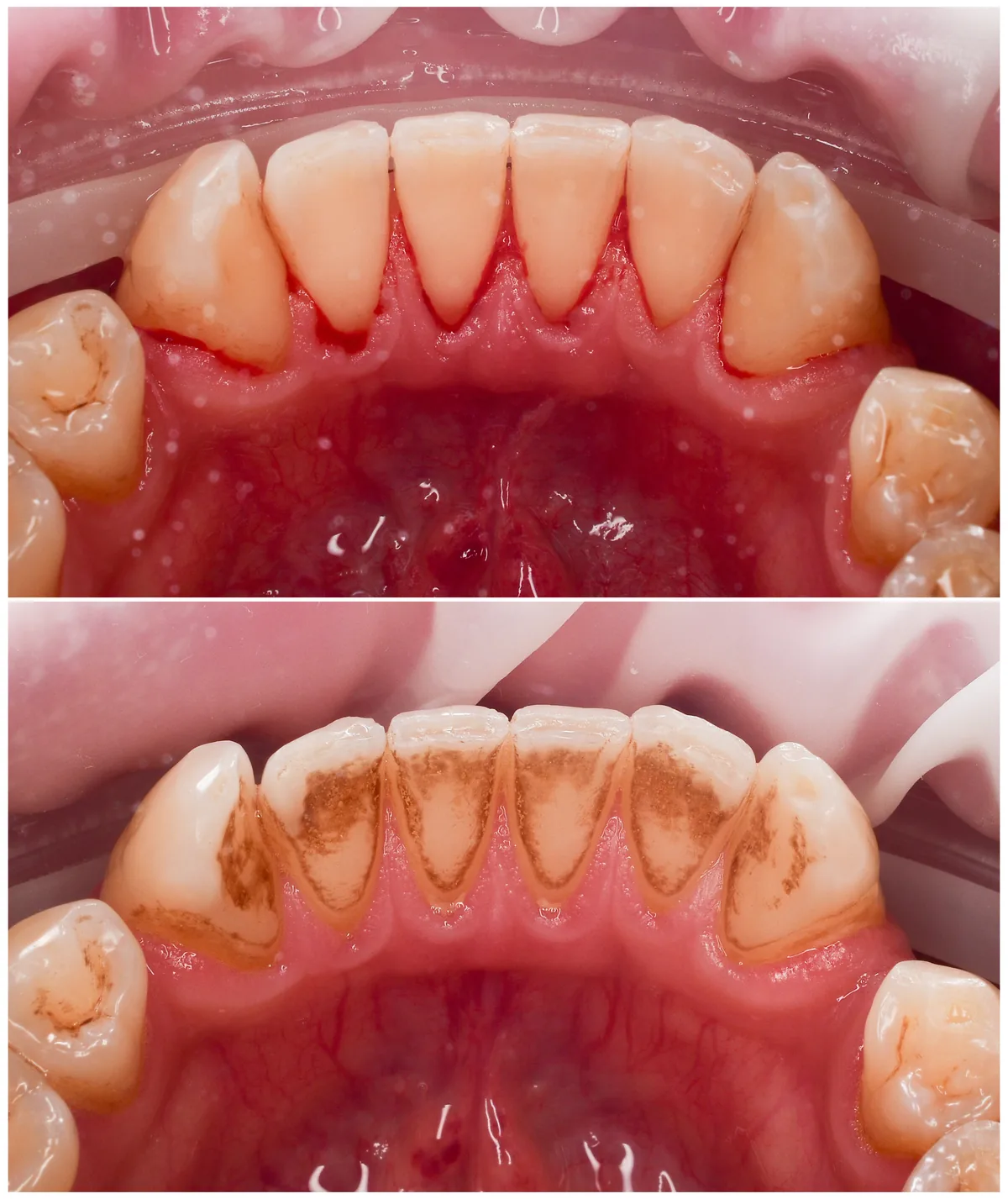
There are certain aids that you can use to help identify plaque, such as a disclosing solution or toothpaste like Plaque HD. Plaque HD is a specially formulated toothpaste with Targetol technology, which identifies and stains the plaque a green color, making proper removal easier. This is especially helpful for young children learning to brush or teens with braces. We always tell patients using this product to brush until all the green is gone.
Brushing Is NOT Enough

Even with all of the great toothbrushes and products available, brushing alone is not enough to maintain good oral hygiene. Just brushing only gets 60% of the surface area of your teeth. Flossing is REQUIRED in order to clean the other 40%!
The problem with flossing is that most people find it too time consuming, too difficult, or they are doing it incorrectly. If this sounds like you, a Waterpik water flosser is a GREAT alternative!
Why Waterpiks are more effective than flossing:
- 51% more effective than flossing for reducing gingivitis
- 2X as effective at reducing gingival bleeding
- 29% more effective at removing plaque
- Much easier to do than traditional flossing
- No manual dexterity required to reach each tooth correctly
How to Use a Waterpik

- Fill the reservoir with WARM water! There is no need to use mouthwash or anything fancy.
- Hold the tip perpendicular to the gumline. The tip should be resting on the gumline!
- Trace each tooth along the gumline for 3 seconds per tooth. That's 1 Mississippi...2 Mississippi...3 Mississippi
- When executed properly, this will cause a siphoning effect to pull the plaque and bacteria out of the pockets.
- Use a different tip if you have appliances such as braces, especially hidden braces which are difficult to see and clean properly.

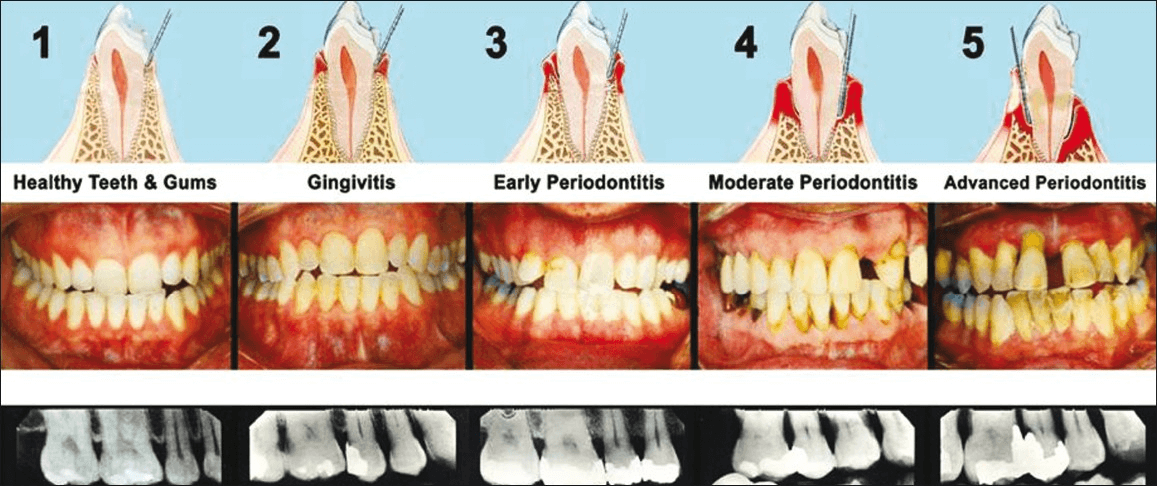
Gingivitis and Periodontitis
If you have heard your dentist or hygienist call out numbers during your cleaning appointments, they were measuring the pocket size, or the space between your gums and your teeth, in millimeters.
| Pocket Depth | What It Means | Cleaning Method |
|---|---|---|
| 1-3 mm | Healthy | Regular brushing and flossing |
| 4+ mm | Gingivitis or periodontal disease | Waterpik recommended |
Traditional flossing is only shown to reach 2-3 mm into the pockets, whereas Waterpik products can reach much deeper, cleaning up to 5 mm pockets. So if you have pockets that are greater than 3 mm, flossing alone is not going to cut it!

Effectiveness of the Waterpik
The Classic Jet tip has been shown in studies to remove 99.9% of the plaque and biofilm from the treated area after a 3-second exposure. The Orthodontic Tip removed 99.8% of plaque and biofilm.

For most patients, I recommend the Jet Tip, or the Orthodontic Tip if you have braces. There are other tips included with most models, but make sure you read the instructions to use them correctly. I still recommend reverting back to the classic jet tip for the majority of your use.
Retail vs. Professional Models
Retail models normally do not offer as many features as professional models and often have a "governor" on them to limit the settings. Professional models have features like automatic timers, LED lights, and extra accessories.
The big thing to check is the PSI. This setting controls the effectiveness of plaque and biofilm removal. If you purchase a retail flosser that does not provide enough pressure, the unit will not effectively clean your gums or teeth.

Which Waterpik Model Should I Buy?
When choosing a Waterpik, consider which type would suit your lifestyle best and give you the greatest chance of success—because you are more likely to use it.
| Model | Price | Max PSI | Reservoir | Best For |
|---|---|---|---|---|
| Aquarius Professional | $99.99 | 100 PSI | 90 seconds | Home use (our top pick) |
| Cordless Advanced | $99.99 | 75 PSI | 45 seconds | Shower use, limited space |
| Sidekick | $139.99 | 100 PSI | 60 seconds | Travel |
| Sonic Fusion | $199.99 | 100 PSI | Varies | Not recommended |
Aquarius (Professional) — $99.99

This is Waterpik's flagship and most popular model. It features the largest reservoir which can run for 90 seconds without needing to be refilled. It comes with multiple interchangeable tips and can be shared by a family using different tips for each member. The dial goes from 1 to 10—use setting 7 or higher to achieve 99.9% plaque removal. The only downside is it takes up countertop space and is not portable.
Cordless Advanced — $99.99

This model is cordless and waterproof, meaning it can be used in the shower. Great for those with limited countertop space. The downside is the smaller reservoir requiring 1-2 refills per session. Maximum PSI is only 75, so you must use this model on the HIGH setting to get effective plaque removal.
Sidekick — $139.99

This is my favorite for traveling. Everything is self-contained in a compact package with no risk of buttons getting accidentally depressed and damaged in luggage. Features a slightly larger reservoir than the Cordless and PSI up to 100. The downside: tips are not interchangeable and cannot be replaced. Use one of the last 2 settings for 99.9% plaque removal.
Sonic Fusion (Professional) — $199.99

I was excited when this came out—brush AND floss at the same time! Unfortunately, what I found is that it's rather mediocre at both. It's trying to be a jack of all trades but is a master of none.
The water washes away toothpaste before you can use it on all your teeth, and the brush head design prevents an effectively targeted water jet, so it feels significantly weaker. The toothbrush doesn't hold up to my Sonicare, and my teeth don't feel as clean. I cannot recommend this model.
So Which Waterpik Should You Buy?
Honestly, I have all of them and use them regularly—except my Sonic Fusion. Here's my personal recommendation:
- If you already have an electric toothbrush you love: Get the Aquarius, Cordless, or Sidekick
- If you have a small bathroom or prefer using it in the shower: Get the Cordless
- If you don't want to refill the reservoir multiple times: Get the Aquarius
- If you have a large family who wants to share: Get one Aquarius with separate tips for each member
- If you travel frequently: Get the Sidekick
Does the Waterpik Completely Replace Flossing?
In short, no. Floss goes between your teeth to break the contact that teeth have with each other. This contact MUST be broken to prevent dental cavities that occur on the surfaces where teeth contact adjacent teeth.
The Waterpik is more effective than string floss at reducing gingivitis, reducing gingival bleeding, and removing plaque. It can also clean deeper into periodontal pockets than floss can. They are both great oral hygiene aids, but they serve different functions.
If you have ANY questions or want a recommendation on what would be right for you, feel free to call the office or ask at your next visit at The Art of Braces!
Frequently Asked Questions
Ready to Start Your Smile Journey?
Schedule a free consultation with Dr. Benson today!

